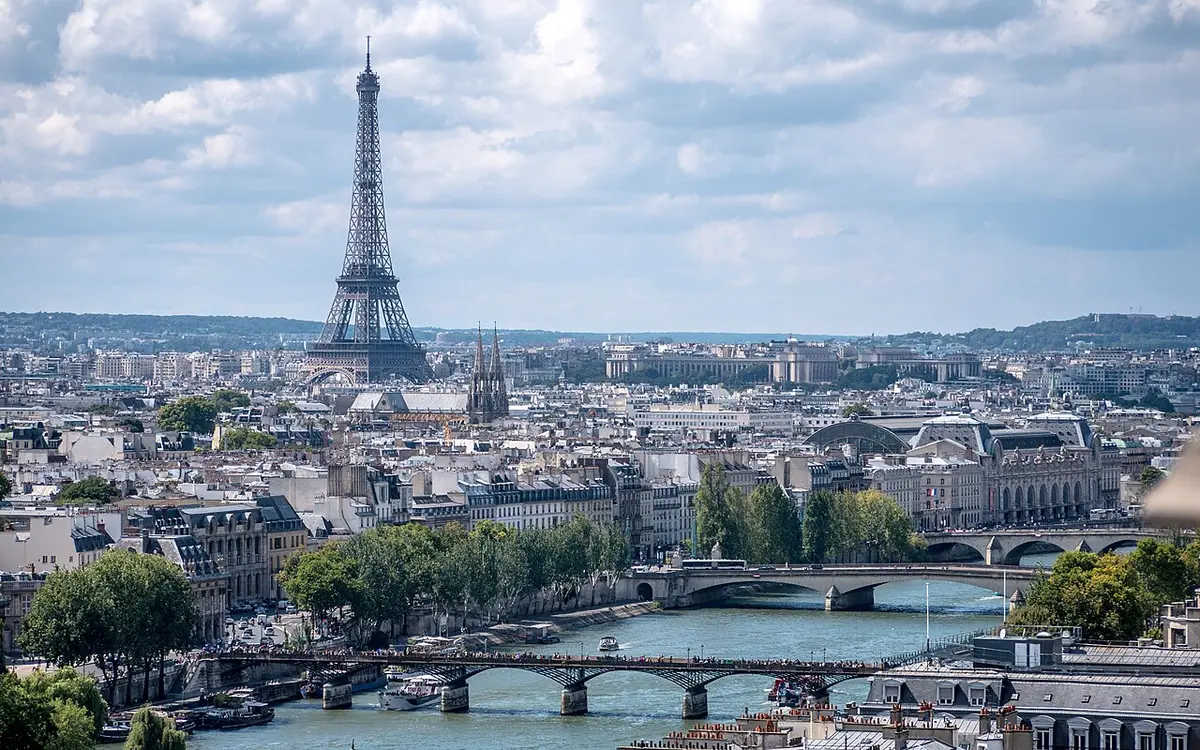
Paris is the capital and largest city of France, with an estimated city population of 2.04 million in an area of 105.4 km2 (40.7 sq mi), as of January 2026, and a metropolitan population of 13.3 million (2023). Located on the Seine in the centre of the Île-de-France region, it is the largest metropolitan area and fourth-most populous city in the European Union (EU). Paris is nicknamed the "City of Light" mainly due to its leading role in the Age of Enlightenment.
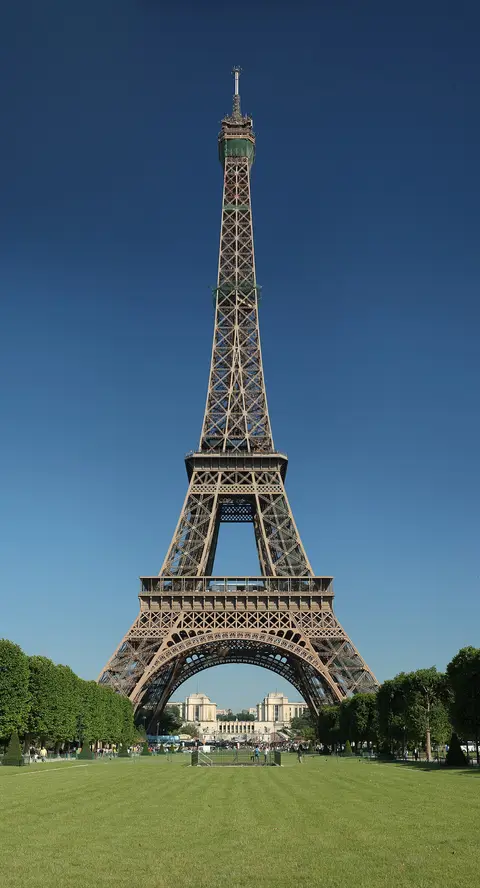
The Eiffel Tower is a lattice tower on the Champ de Mars in Paris, France. It is named after the engineer Gustave Eiffel, whose company designed and built the tower from 1887 to 1889.
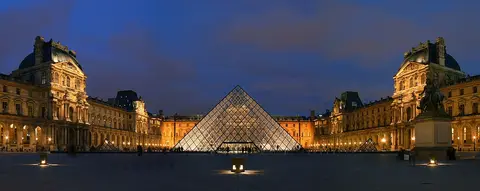
The Louvre is a national art museum in Paris, France. It is located on the Right Bank of the Seine in the city's 1st arrondissement (district) and home to some of the most canonical works of Western art, including the Mona Lisa, Venus de Milo, and Winged Victory. The museum is housed in the Louvre Palace, originally built in the late 12th to 13th century under Philip II. Remnants of the Medieval Louvre fortress are visible in the basement of the museum. Due to urban expansion, the fortress eventually lost its defensive function, and in 1546 Francis I converted it into the primary residence of the French kings.
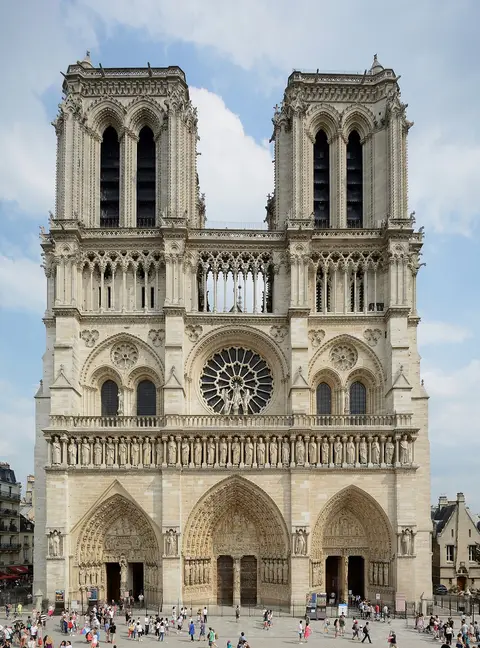
Notre-Dame de Paris, often referred to simply as Notre-Dame, is a medieval Catholic cathedral and basilica on the Île de la Cité, in the 4th arrondissement of Paris, France. It is the cathedral church of the Roman Catholic Archdiocese of Paris.
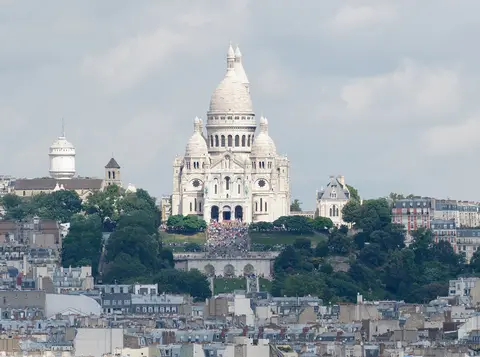
Large hill in Paris's northern 18th arrondissement
Montmartre is a large hill in Paris's northern 18th arrondissement. It is 130 m (430 ft) high and gives its name to the surrounding district, part of the Right Bank. Montmartre is primarily known for its artistic history, for the white-domed Basilica of the Sacré-Cœur on its summit, and as a nightclub district.
 Sawadeeka
 © Yann Caradec from Paris, France · CC BY-SA 2.0